
More Cuba

First, I want to share an article my traveling companion, Monty Freeman, wrote for The Architect’s Newspaper after our visit in March. It pretty much expresses my views, too.
But, as to what we did: well, we went to the Chinese cemetery. Chinese laborers came to Cuba to work in the tobacco and sugarcane fields starting from the mid-nineteenth century. As everywhere they went, they rapidly moved into the cities and became merchants and restauranteurs. Cuba had a robust Chinese community for over a hundred years, until the revolutionary government nationalized all the businesses. So many of the Chinese were middle-class business owners who lost their property and decided to move on that the community dwindled to almost nothing. But during that century the Chinese of Cuba had their own neighborhoods, temples, and cemeteries. It’s Chinese tradition to be buried with your ancestors in China. If you die away from China you’re buried underground for a year, then exhumed; your bones are cleaned and packed in labelled boxes ready to ship. All over the world there are ports with warehouses of Chinese bones waiting to go home.
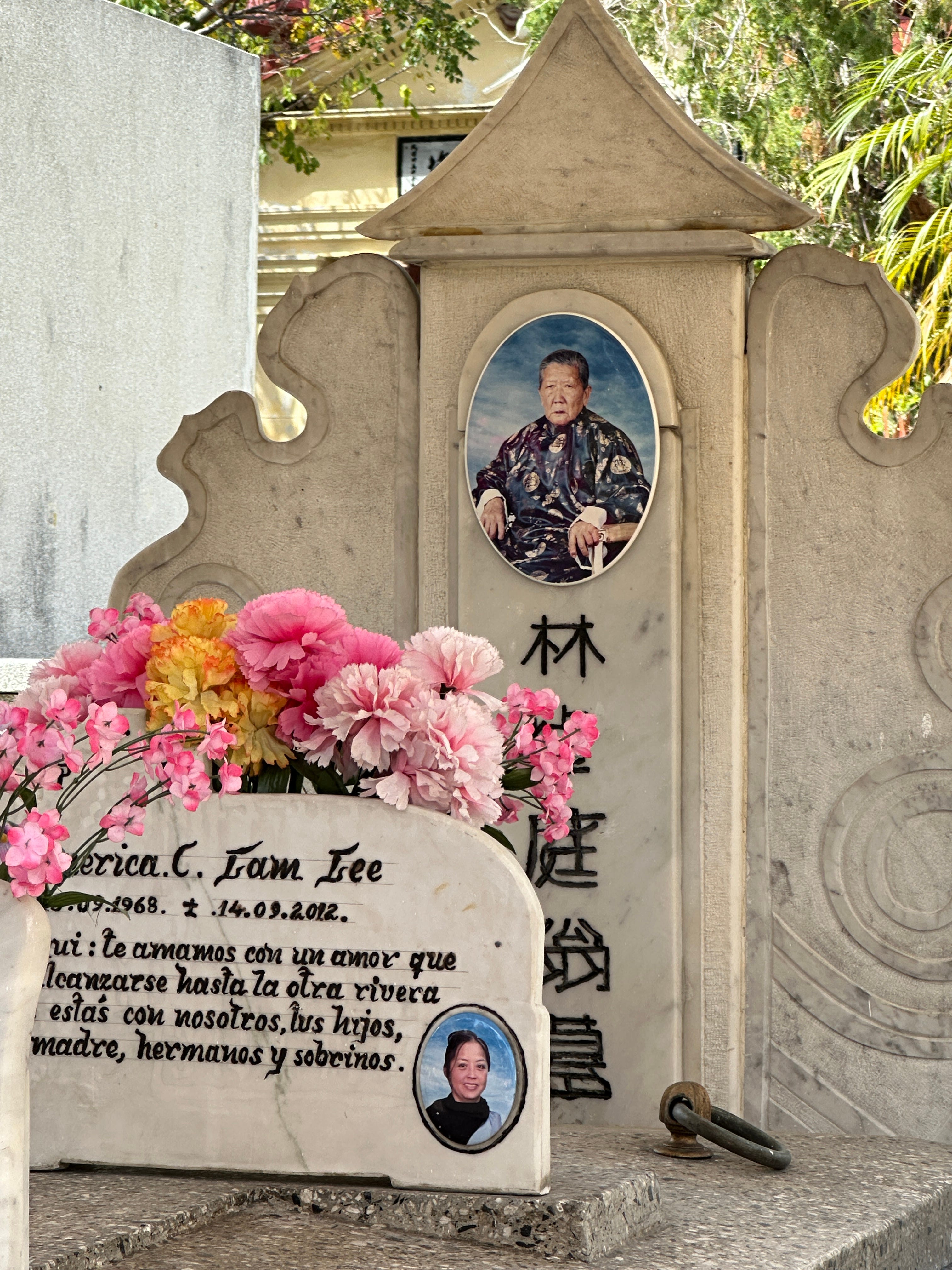
Family tomb
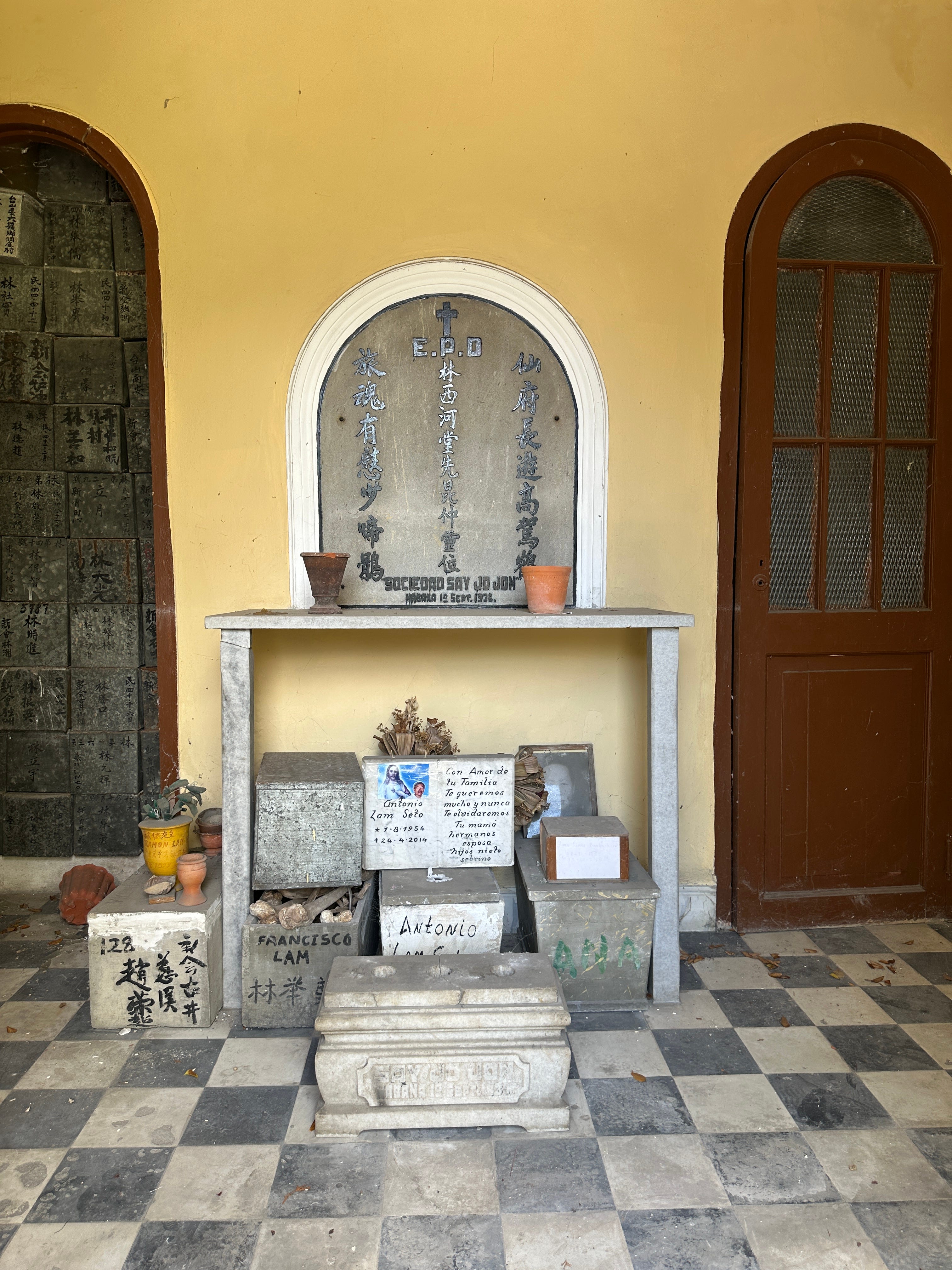
Boxes of cleaned bones waiting to be sent back to China
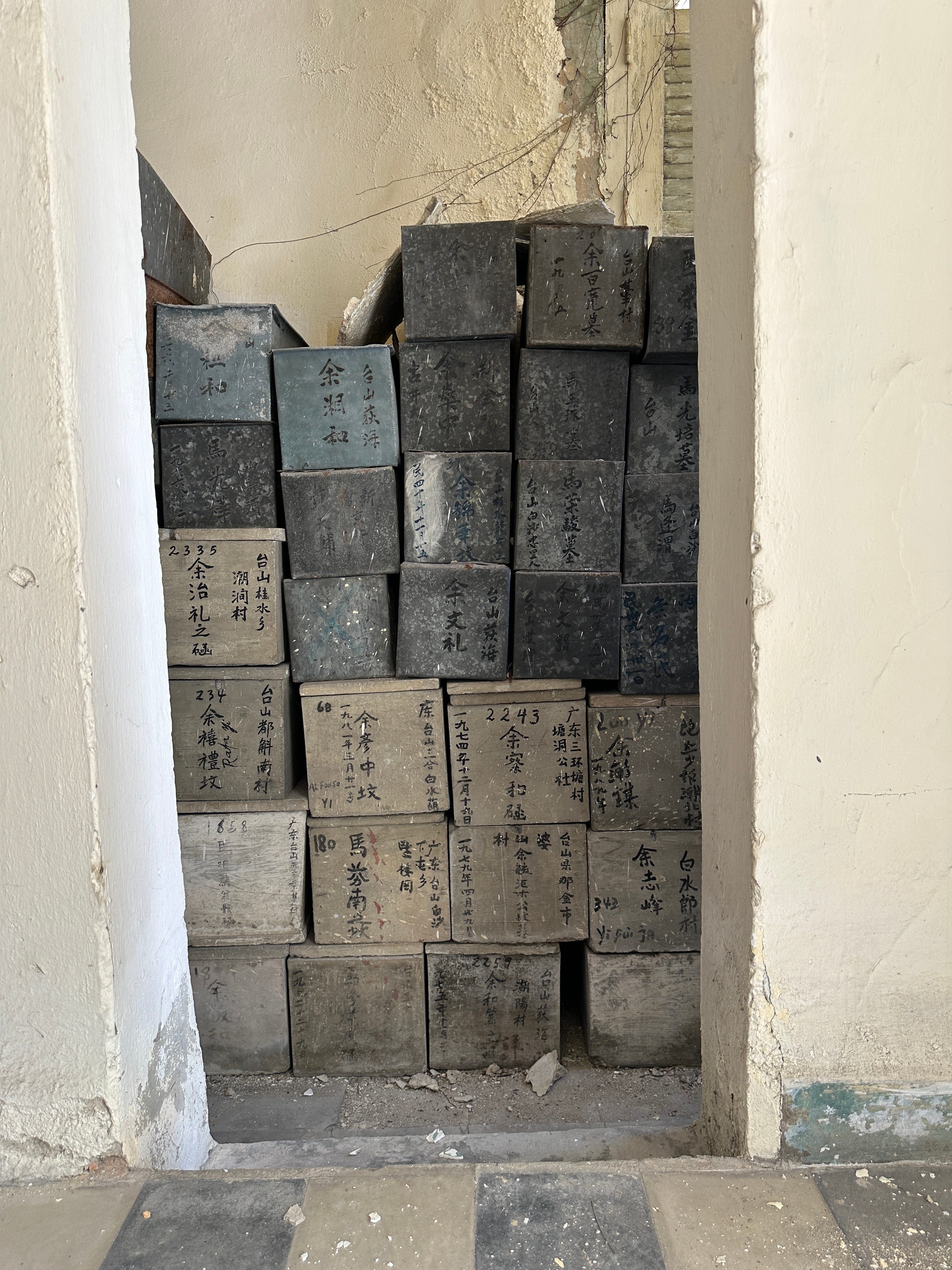
More boxes of bones
That same day we went to see the mid-century modern houses of Nuevo Vedado.
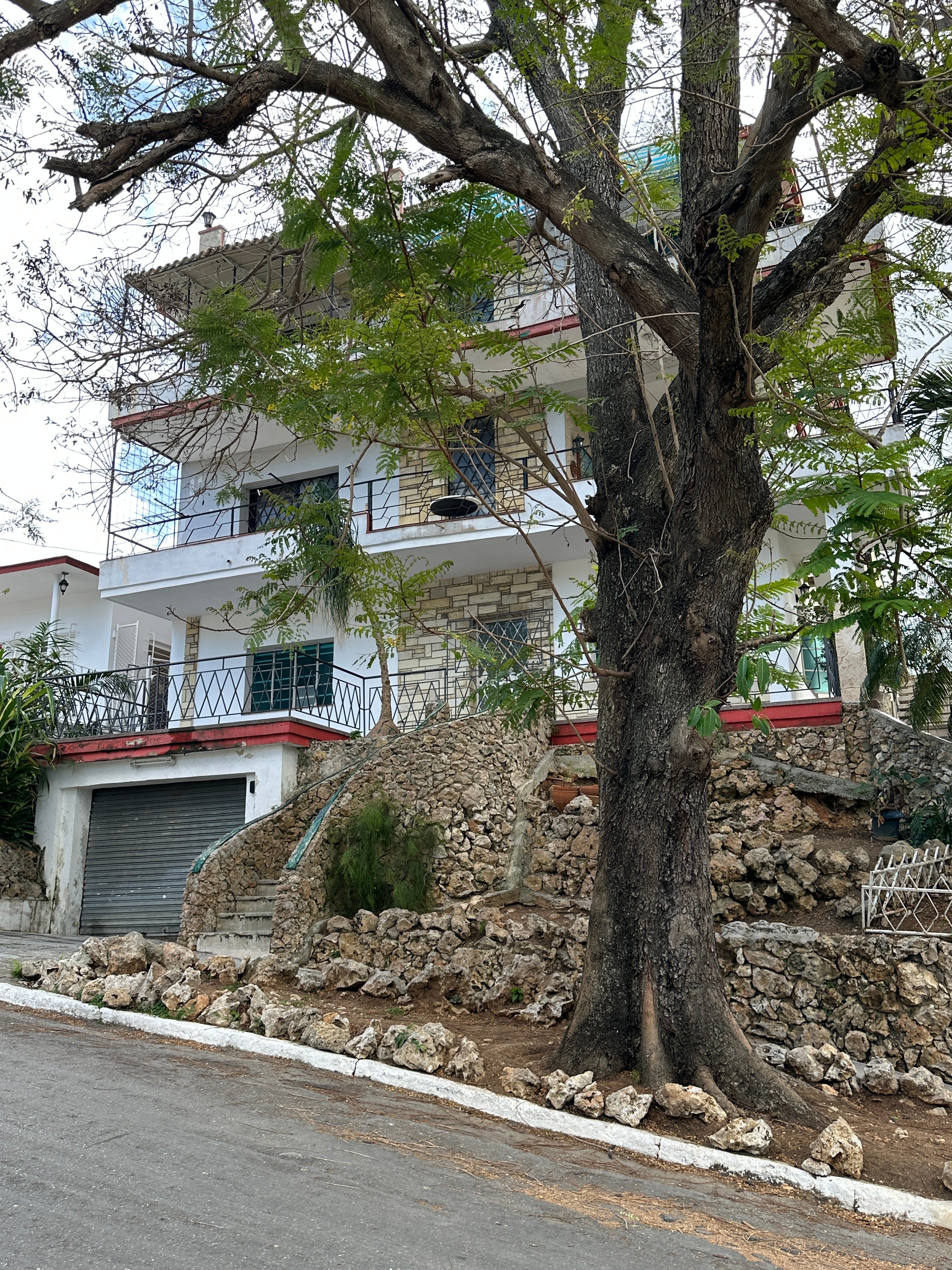
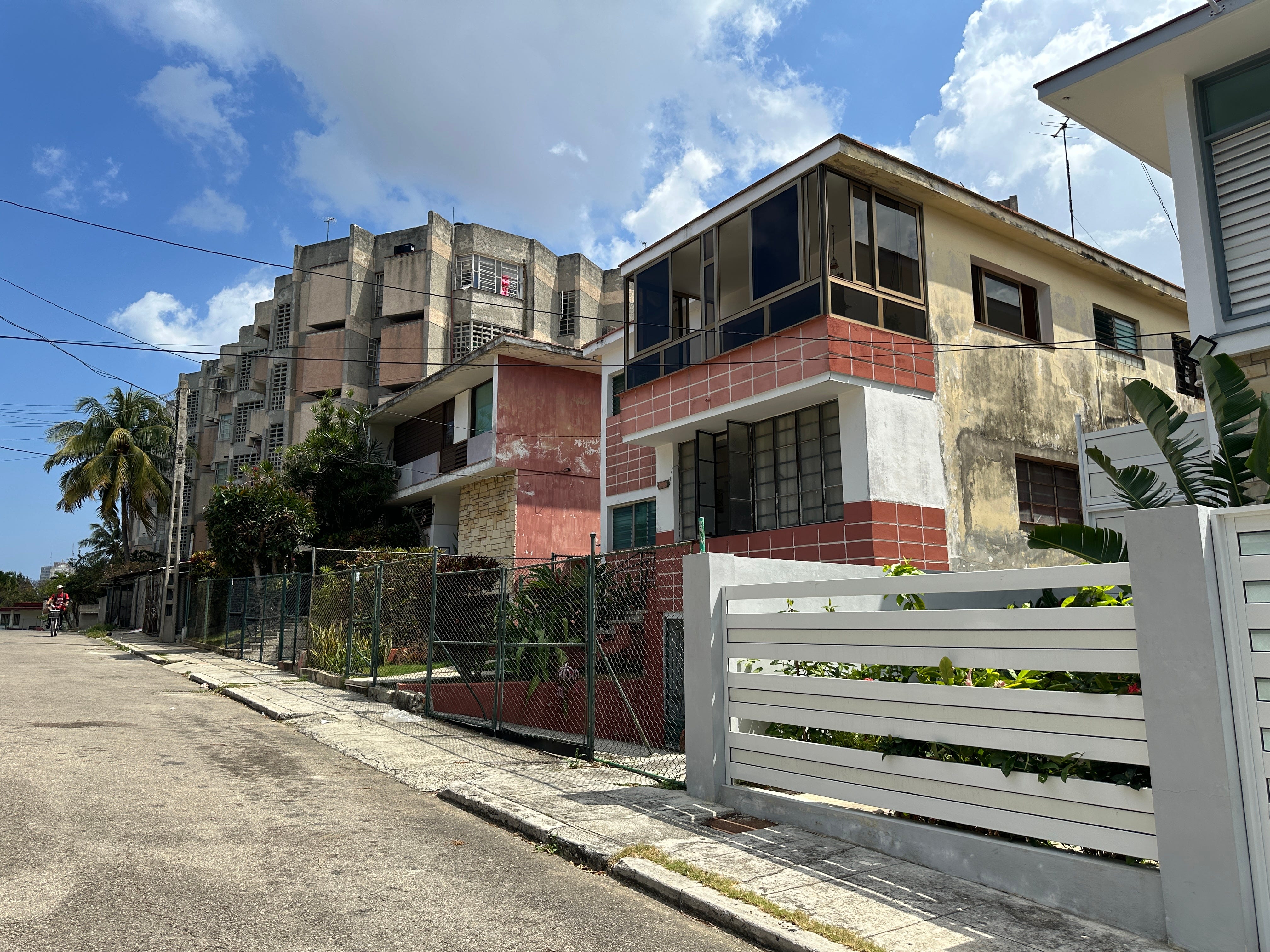
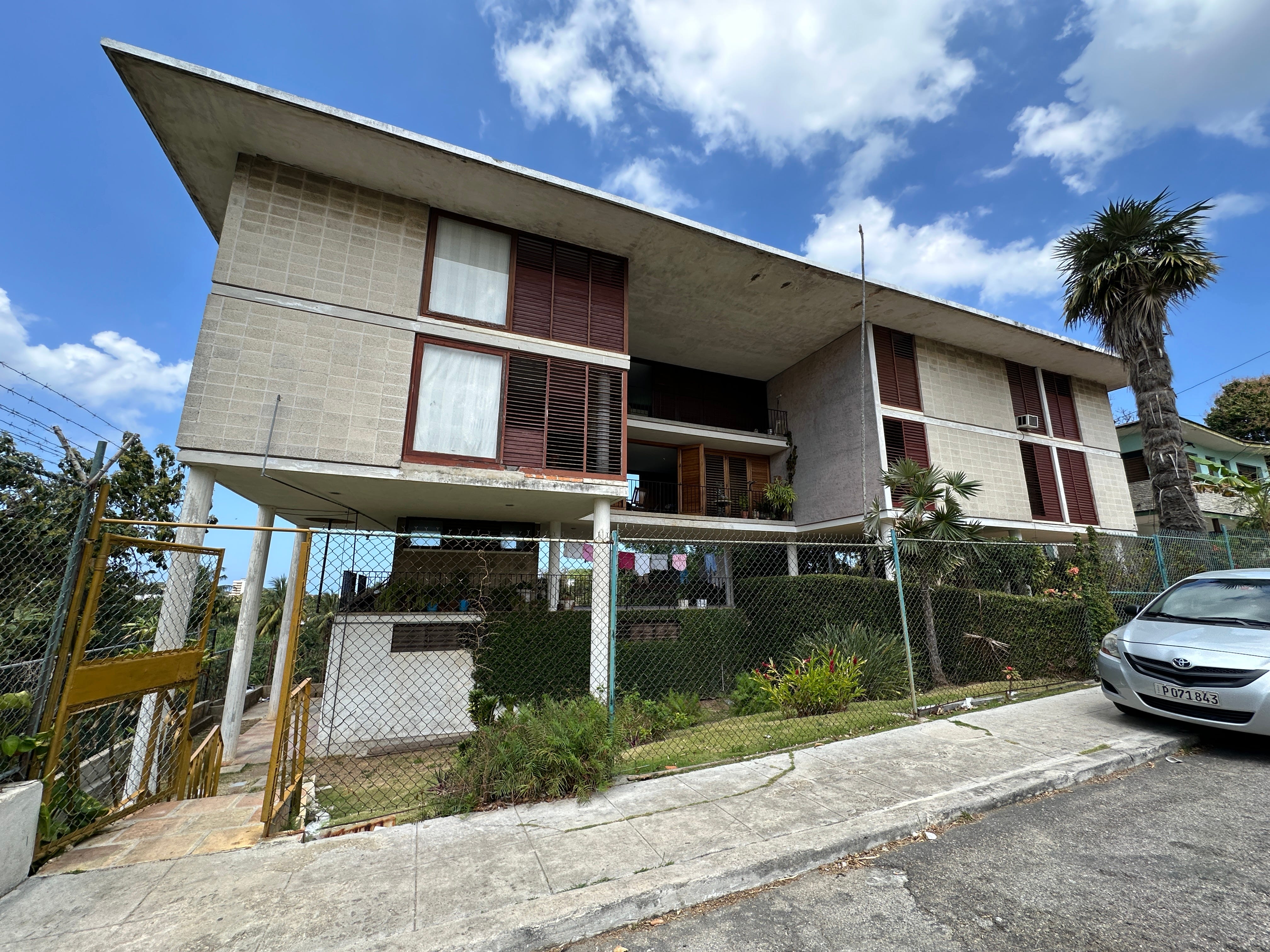
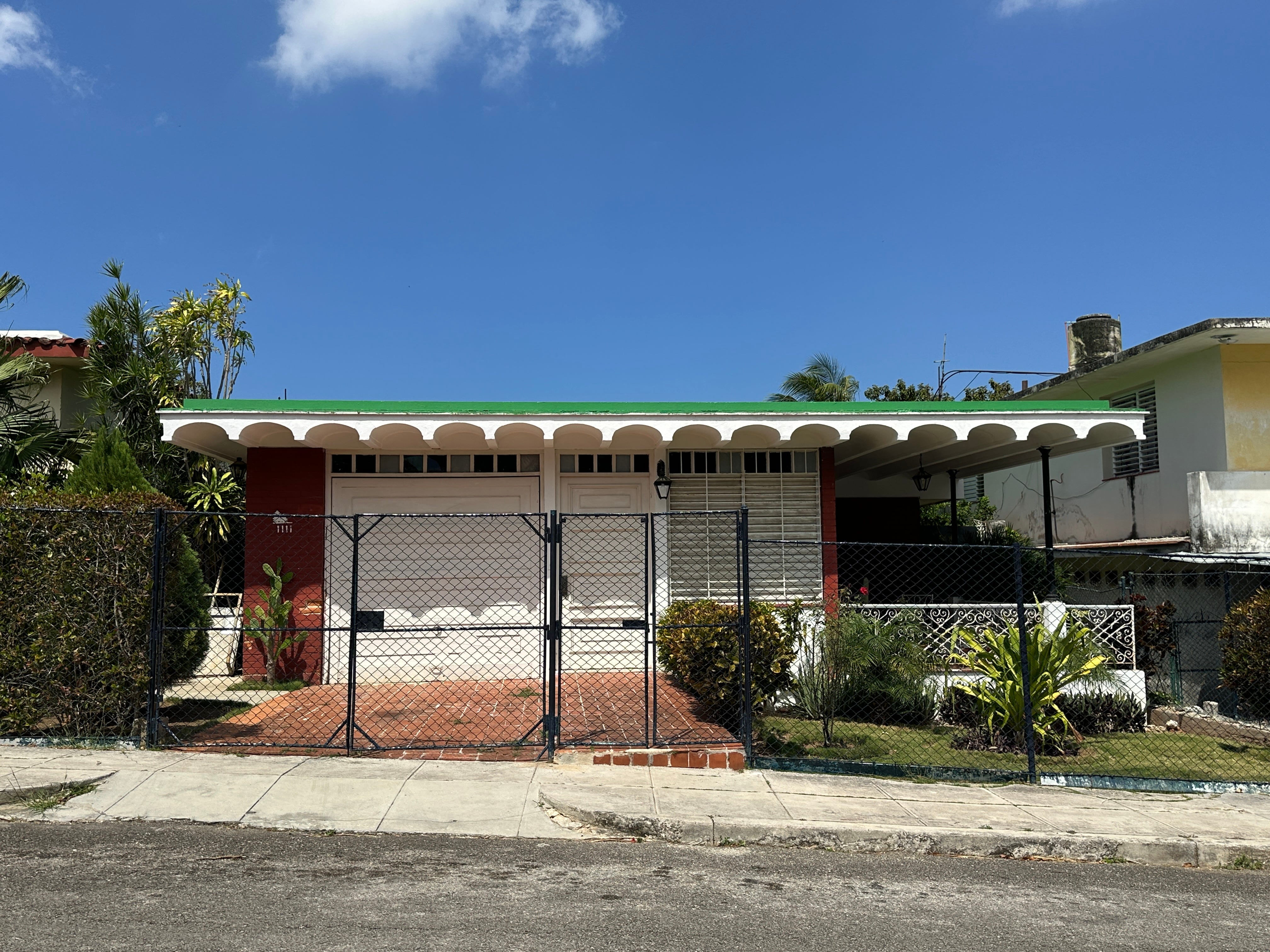
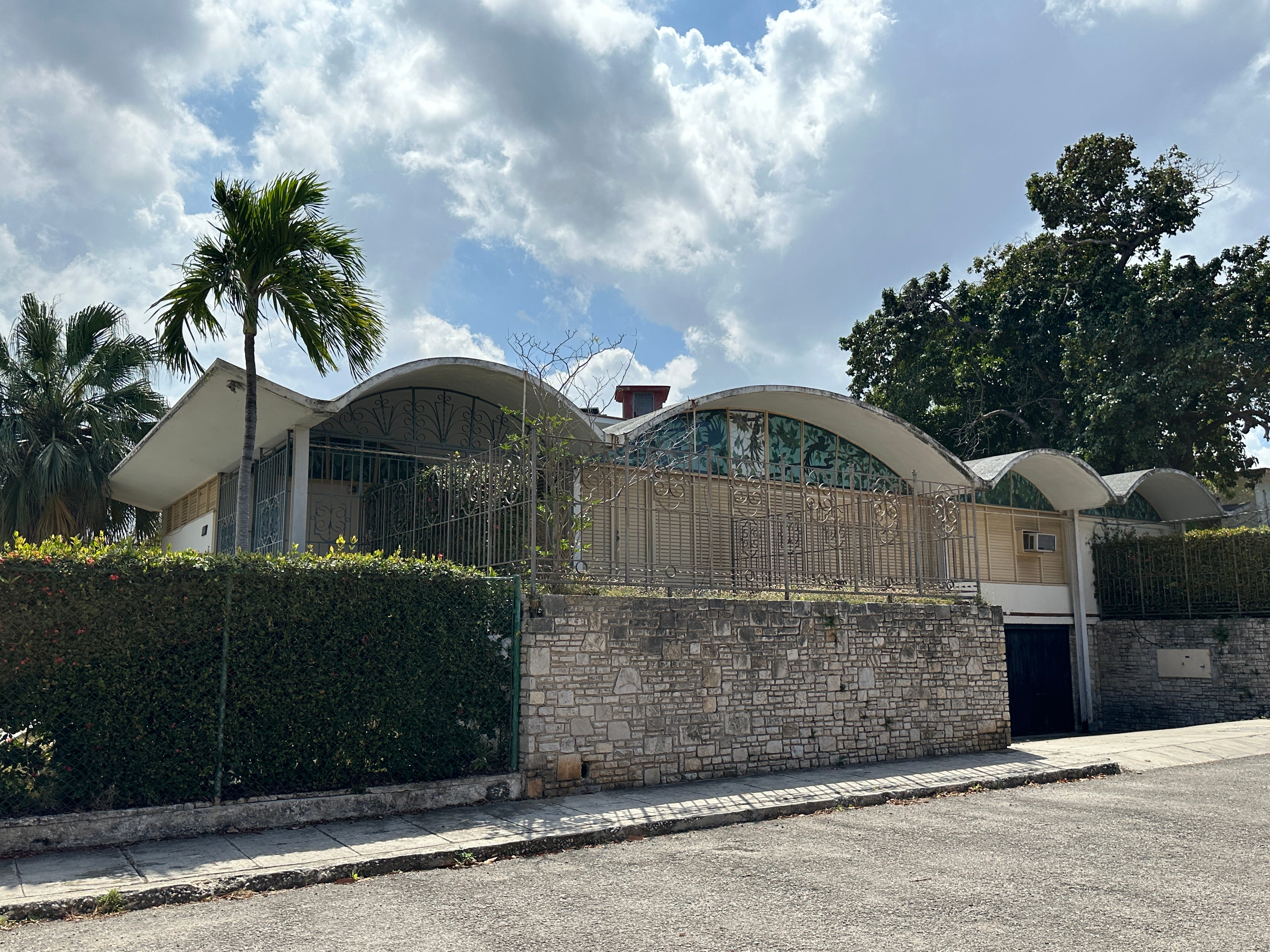
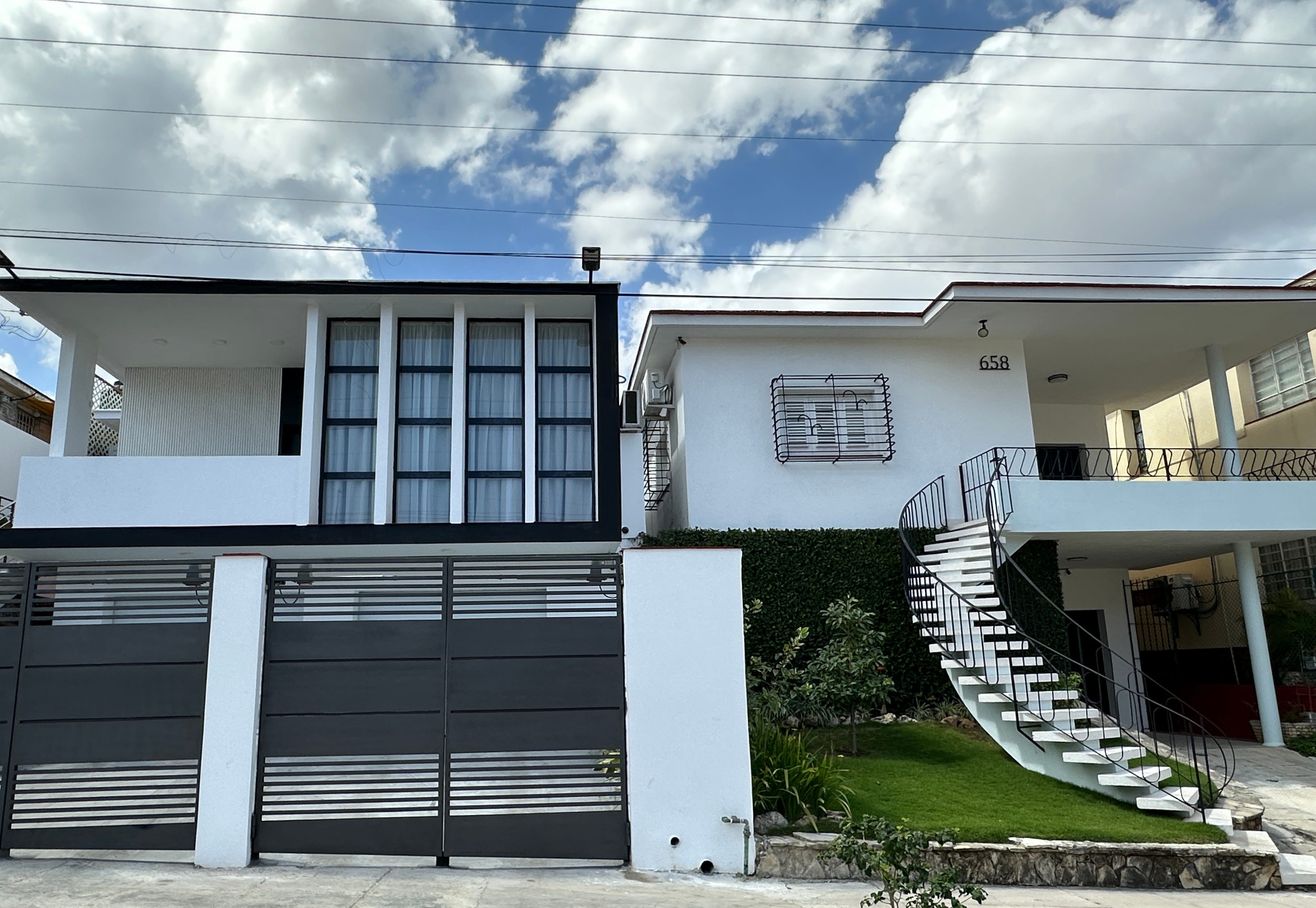
It’s a perfect architectural style for the climate and the culture. These photos don’t show the extent of the neighborhood, developed in the 50’s.
We ate a delicious lunch at a back-yard restaurant I’ve been to before. This time, as at two of the other places we went on this trip, we were the only patrons. Even at the times other tables were occupied it was only three or four. I don’t know how, or why, the restaurants keep food stocked, and maybe in the weeks since we’ve been gone they’ve stopped keeping so much, or some of them, even closed. I hope not. But, as Monty says in the article linked above, times are hard.
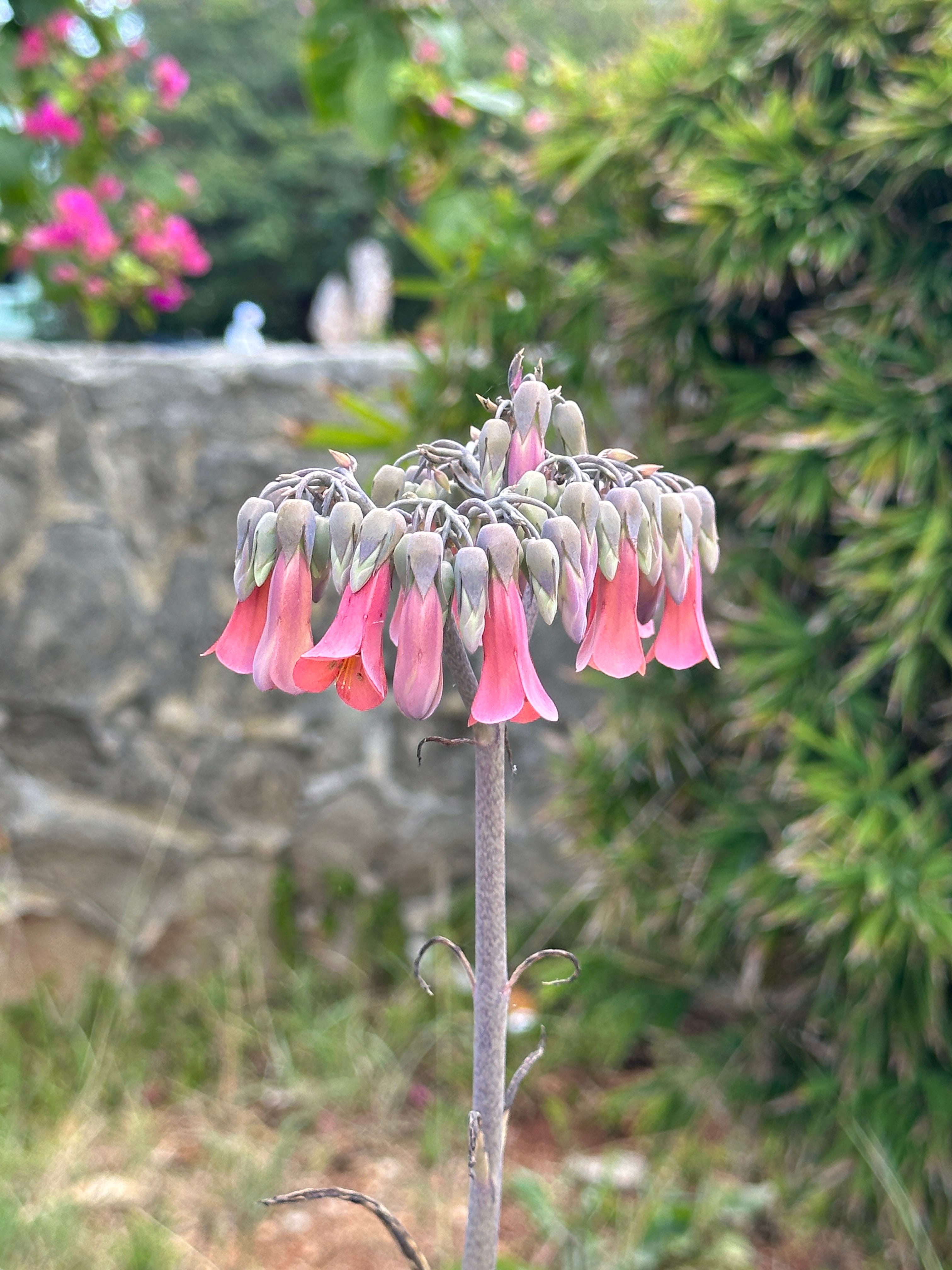
Graveyard flower
Beautiful essay.
Who lives in the beautiful houses?